REUs, or Research Experiences for Undergraduates, are paid summer research internships where undergraduate students, students currently seeking to complete a Bachelor’s degree, must work on a specific research project. In the United States, they are funded by the National Science Foundation. They often offer a stipend and housing because they tend to need you to be working full-time for 6-10 weeks in one particular location. They are, in general, a great opportunity, but they can be quite competitive.
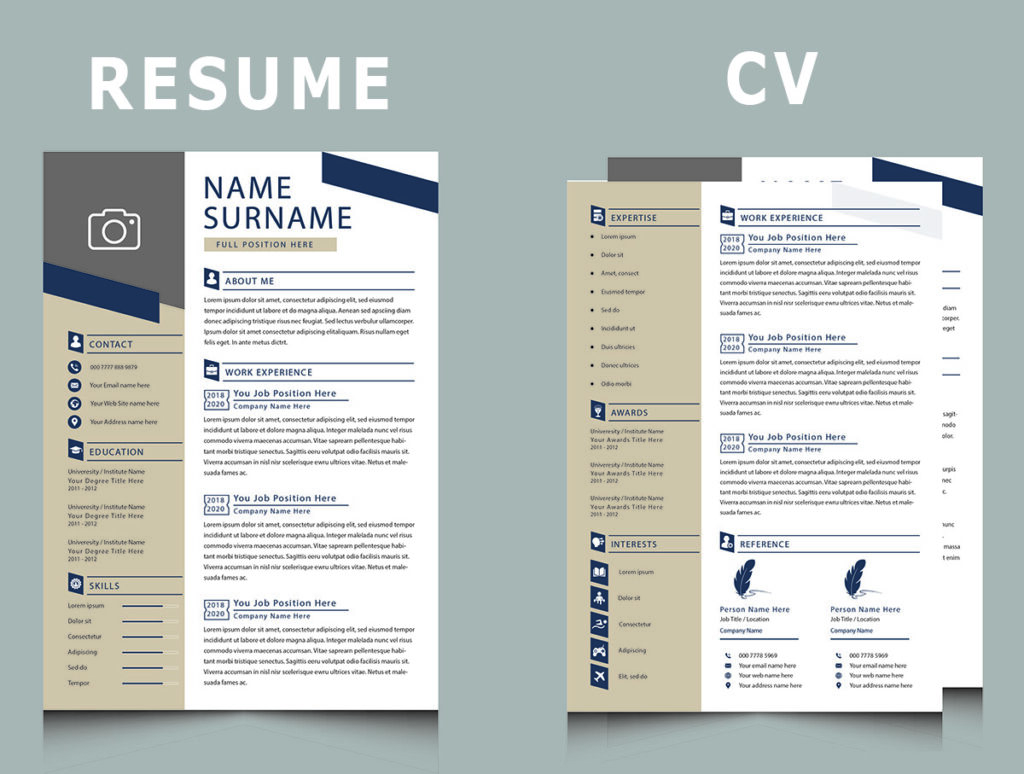
The first step is to register. When you are registering, you will then fill in your personal information, such as your name and contact information, and your email. After that, you will begin to make a personal statement. A personal statement is a personal essay where you explain in 2-3 pages what your goals are and why you are interested in this research opportunity. They are quite similar to essays you might have had to write for college admissions, but this time it is for a specific project. After that, you would add your transcript and resume or CV. A CV, or Curriculum Vitae, is a detailed document outlining you entire academic and professional history. This includes your education, volunteer experience, any awards you might have, researcha and any publications you might have. Unlike a resume, you generally have no limit to how long you can make it.
Another thing you will need is a few reference letters from your professors. A reference letter is a written letter in which your professor speaks on behalf of your character and their impressions of you. Only the place you are applying to is allowed to open it up. It is generally sent electronically, but it is best practice to inform the professor that you would like them to write you a reference letter at least two weeks before the application deadlines, so that they can take the time needed to write a detailed and convincing letter. Keep in mind that your professors are not required to write on your behalf, and most of them will politely tell you no or try to point you to someone else if they do not feel confident. A good way to ask is to email them:
Subject: [title relevant to conversation such as REU]
Good [(morning/afternoon/evening)] [their title like Dr. or Prof.],
This is [Your Name], and I was wondering if you would be willing to write me a reference letter for a research oppurtunity. I would like to apply to [location of the research program] for [the titled of the REU]. I mainly want to do this because [talk about why you want to go]. I think your reference letter would be great because [why do you want them as a reference]. Please let me know if there is anything I could improve or if you have any advice. Thank you for your time and have a nice day.
-[Your name]
 VickyInResearch